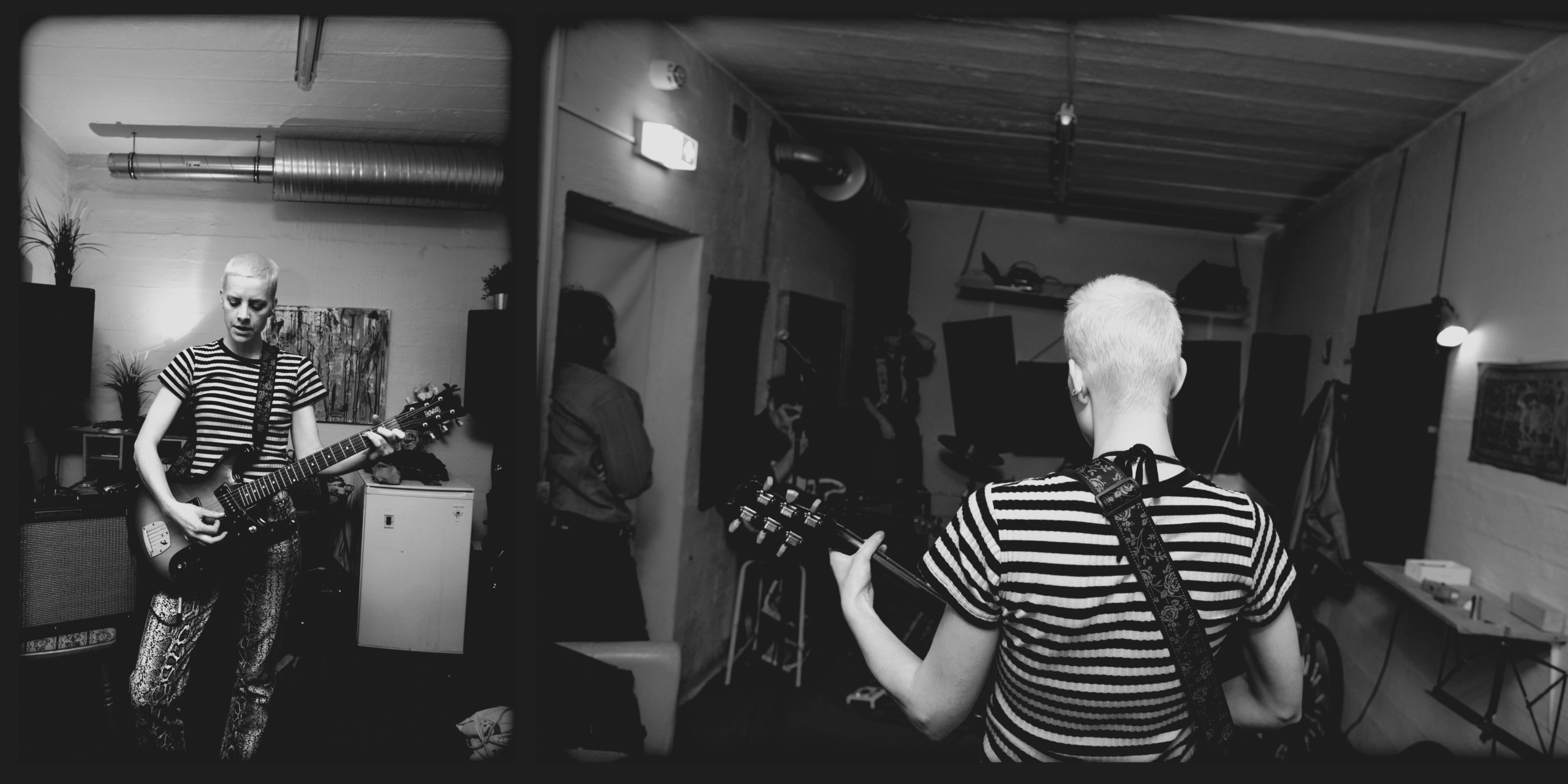
For over 15 years, Annika Henderson (better known as Anika) has crafted music and art that challenges, provokes and resonates.
It’s a privilege to feature an artist whose work has consistently pushed boundaries.
Her work has been a soundtrack for the lives of listeners navigating similar existential questions, all while setting a standard for thoughtful, politically engaged creativity.
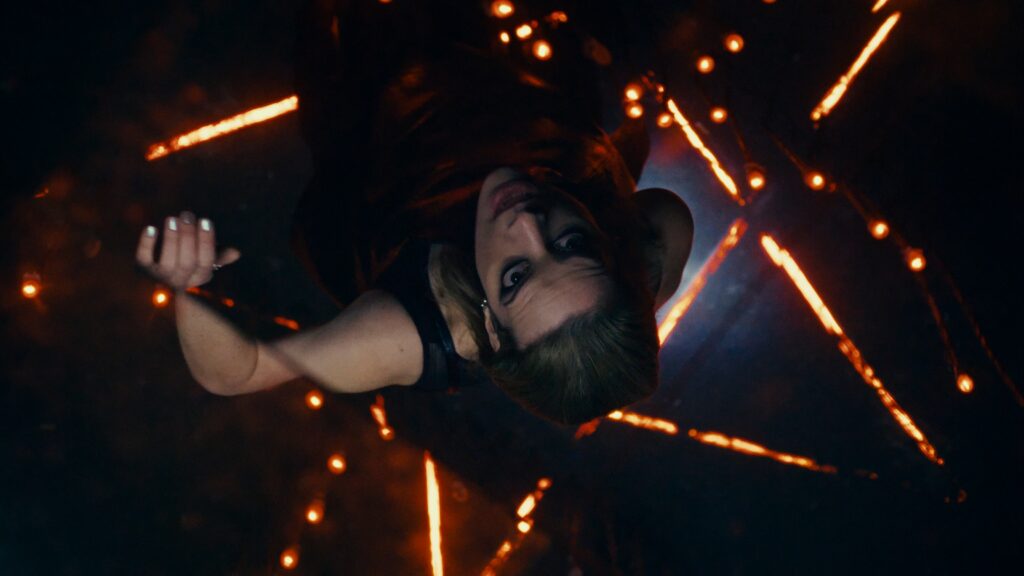
She led two standout projects: her solo work as Anika and her collaborations as part of Exploded View.
Each release, listed later for reference, shows clear growth and meaning. Not creation for creation’s sake. Continually adding new layers of texture, depth, and intention. She remains the kind of artist whose message and perspective is desperately needed. Today, more than ever.
Conversations can take many turns. This one, in a noisy hotel lobby before her show at Anicenne Belgique went in every direction.
In a time when language feels both hyper-scrutinized and strangely hollow, talking with Anika felt timely and real. As if she as an artist had been sponging the negativity from world events these past years for us all and integrating it into her work on Abyss and beyond.
Over the course of an hour-long interview she covered the historic dilemmas and the infuriatingly present ones: from art, politics, writing, performance, and the digital noise in between.
She has many titles. All of them fit. All connected in creation and output, despite the sacrifices these activities invite.
What followed was an open discussion (plus a bit of a rant on our side) on the frustrations of modern life, social media, both from the perspective of an artist navigating its expectations, and as a user observing its contradictions.
What’s clear is that Anika’s work and her thinking exists well outside the algorithm. Beyond Expectation. But always progressing.
For those new to Anika, she is a British-German singer, musician, political journalist and poet whose incredible work merges post-punk, experimental pop, and political commentary.
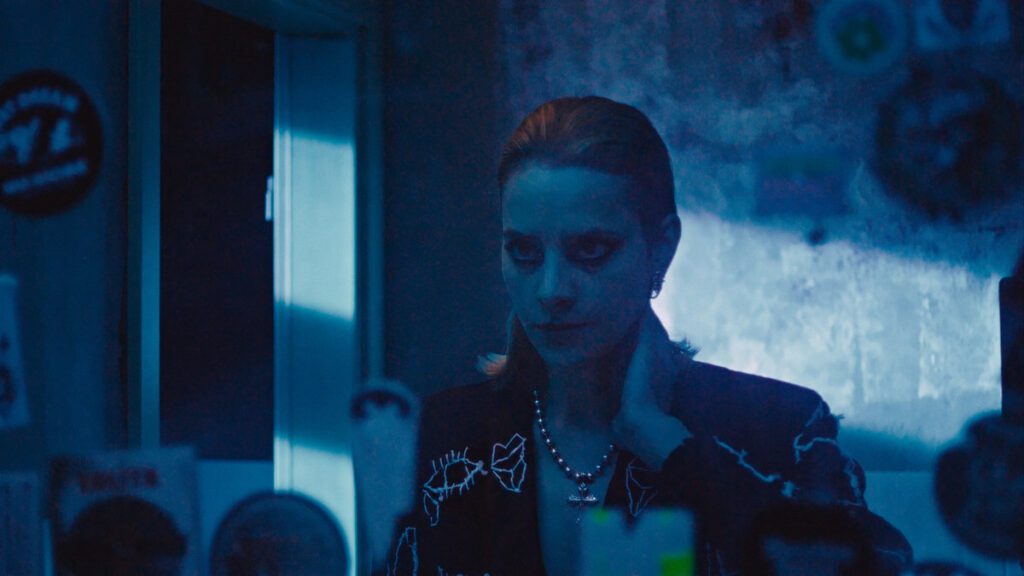
Raised between England and Germany, she began her career in Cardiff as a music promoter before working as a journalist in Berlin.
She was the German speaking correspondent for ESNA, reporting on European higher education policy. Her songwriting initially took a back seat to journalism, until a pivotal collaboration with Geoff Barrow of Portishead. Released in 2010 by Invada and Stones Throw, Anika featured striking covers of Yoko Ono’s “Yang Yang”, Bob Dylan’s “Masters of War”, and Skeeter Davis’s “End of the World”. Though rooted in minimalism and dub, the album’s political value and stark delivery set it apart from most other releases of it’s time.
But that was the early days. Since then, Anika has created so much material for us all which we’d like to explore briefly before the interview.
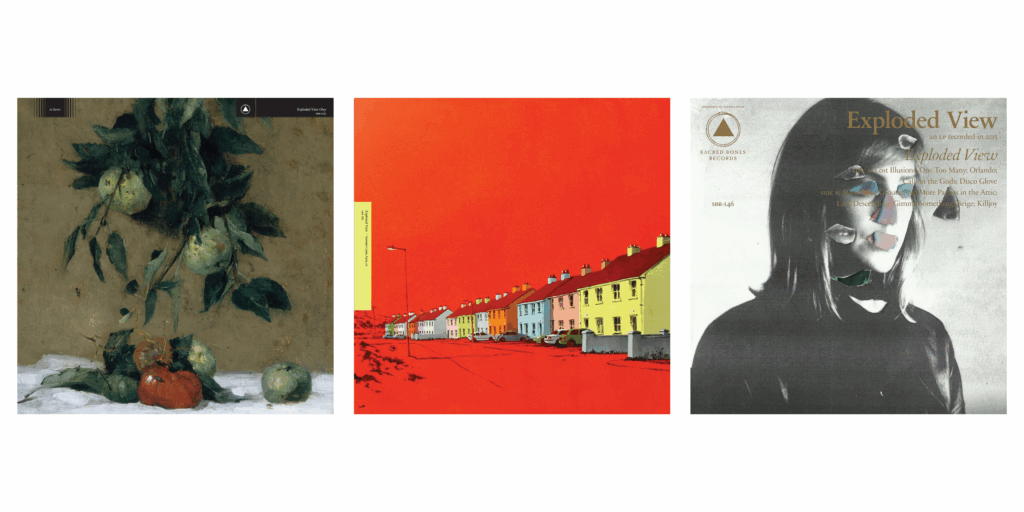
In 2016, Anika formed the band Exploded View in Mexico City alongside Martin Thulin, Hugo Quezada, and Amon Melgarejo. Their self-titled debut in 2016) was followed by the Summer Came Early EP in 2017) and a second album, Obey (2018). It became a bit of a cult hit.
Probably due to the project’s intoxicating fusion of psychedelic rock, industrial rhythms, and fractured electronics cementing Anika’s reputation. Seek these tracks and creations out for real genre-blurring experimentation. You won’t be let down.
She returned under her solo name with Change in 2021, an album recorded in Berlin and Mexico. It addressed climate grief, economic collapse, and personal loss. It was her most emotionally direct and critically acclaimed record to date.
Her latest album, Abyss was released in 2025 on Sacred Bones. Thankfully for us listeners, her continuing partnership with her label has allowed her to operate outside of commercial expectations set by the industry. The interview illustrates this freedom Anika has compared to more mainstream and arguably controlling labels.
Anika has also collaborated with electronic artist Shackleton on the 2017 album Behind the Glass, and continues to work across disciplines, including experimental film and political activism.
Across all of her projects, be that solo, collaborative, and band-based, her work remains consistent in its refusal to simplify or detract. Anika offers music that is raw, resistant, and reflective of the world we live in. This is no easy feat.
In this wide-ranging conversation, Anika speaks candidly about everything. From her early days in the UK and Berlin music scenes to the harsh realities of touring in 2025.
We touch on the challenges of being a politically engaged artist and person. The pressures of social media, and her refusal to participate in industry expectations around marketing and image.
She discusses her disillusionment with the music circuit, her unexpected creative resurgences, and how her political journalism background and the 2008 crash shaped her songwriting.
Across this interview, Anika also delves into the economics of independent touring. We speak about the instability of the tech world, and the cost of performing on mind and creativity in general. You know, all that stuff we worry about most days but don’t put words on.
We hear stories of unsolicited criticism after shows, explore the tension between authenticity and performance, and try to make sense of the personal boundaries maintained while remaining a politically outspoken figure.
What we love throughout this conversation is that there’s a consistent thread. One of wanting to connect through music on a human level rather than through algorithms and division. No optics. No measuring.
Anika touches upon the meaning behind “One Way Ticket” and “Walk Away”, two standout and often-played tracks here at Halftone Magazine, that confront topics like capitalism, burnout, and disengagement from toxicity.
The interview is especially relevant given the release of Abyss, which thematically builds on the emotional weight and urgency of 2021’s Change.
Anika performed at Ancienne Belgique on the 27th of April, making a clear and intentional statement of peace, protection of minorities and collaboration. She will return to Belgium to play at Micro Festival in Liege on the 2nd of August, with her final gig in Belgium this year taking place on the 1st of November at Atelier 210.
One more point before we finally let you get on with the interview. Anika speaks with clarity and frustration about the current state of journalism, media, misinformation and the ongoing global disillusionment with leadership and institutions.It sounds dark.. Yet there’s strength, inspiration, humour, self-awareness and moments of warmth, especially when she reflects on the accidental formation of Exploded View or replies to critiques with 1. a kind of amused disbelief and 2. An incredibly human understanding and response to those who feel obliged to share such statements.
Ultimately, this is a conversation that took us by surprise—one about creative survival, about quitting and not quitting, about the past and the present, about decision-making, about constant navigation between artistic integrity and financial reality. Maybe, at a push, this conversation is an important warning for us all from a real artist actively thinking through the role of music and politics in this fractured world. It shouldn’t be ignored—nor should her statement below.:
Peace. End all wars. Stop Future Ones. Resist.
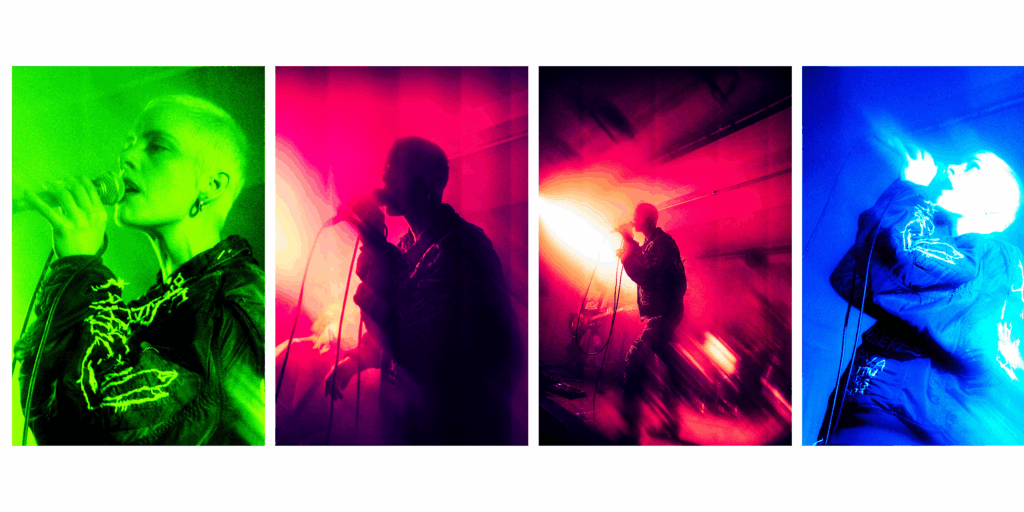
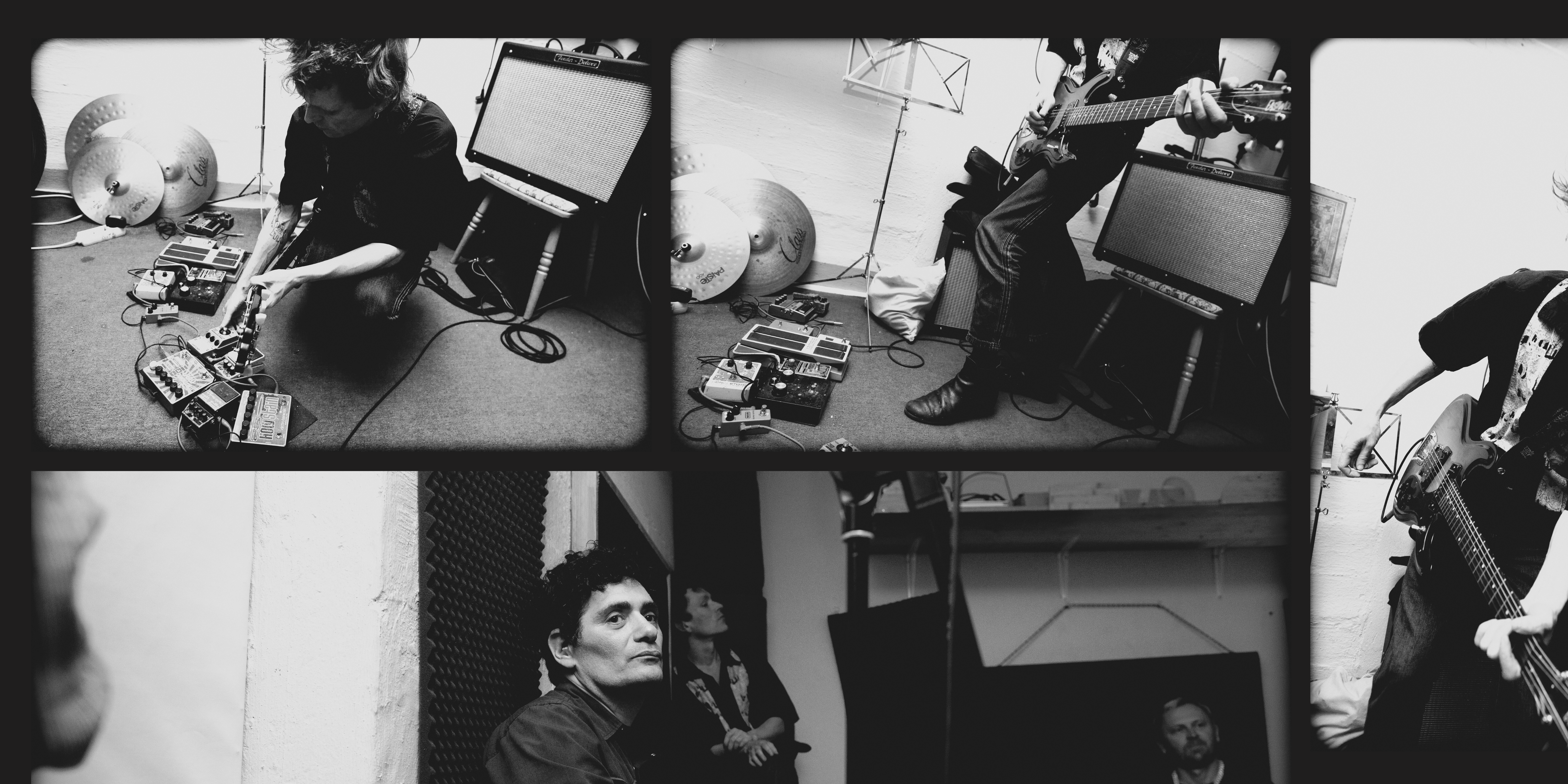
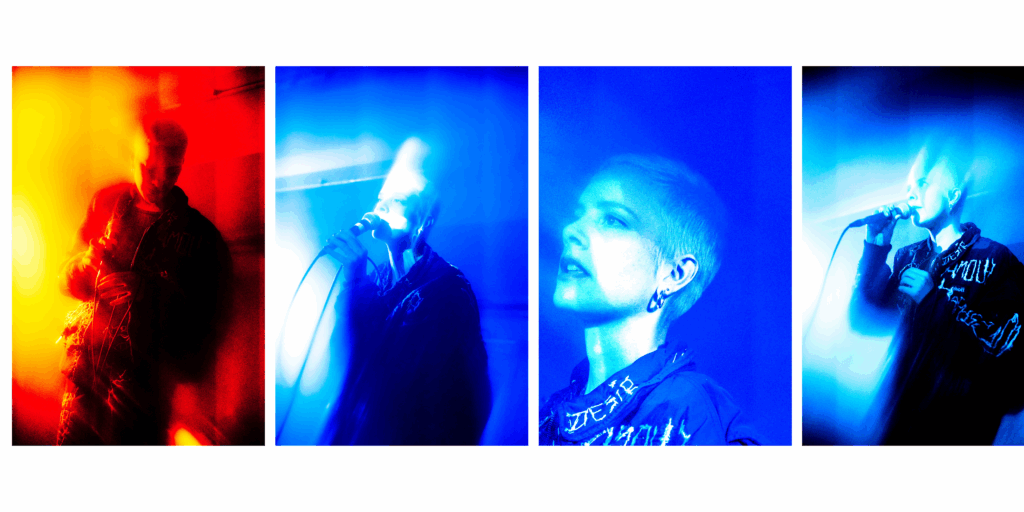
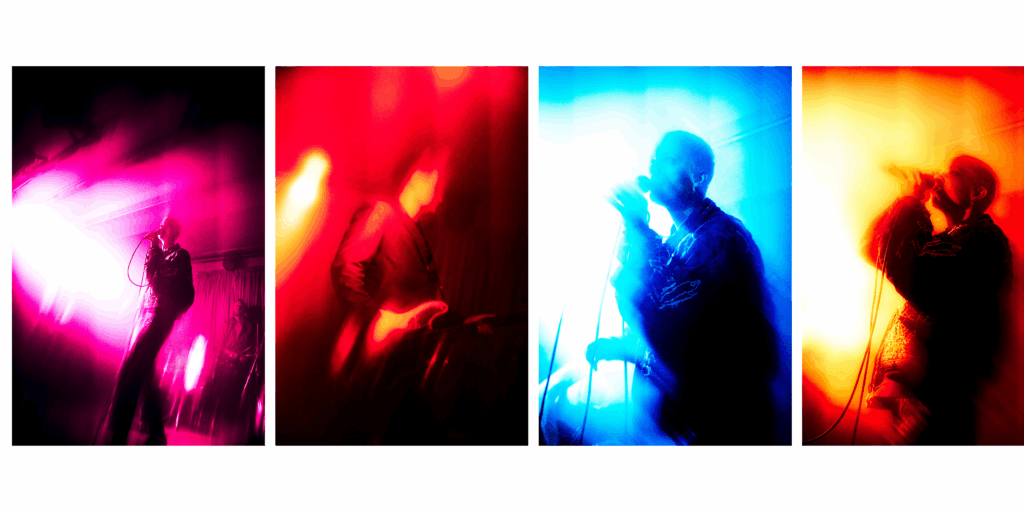
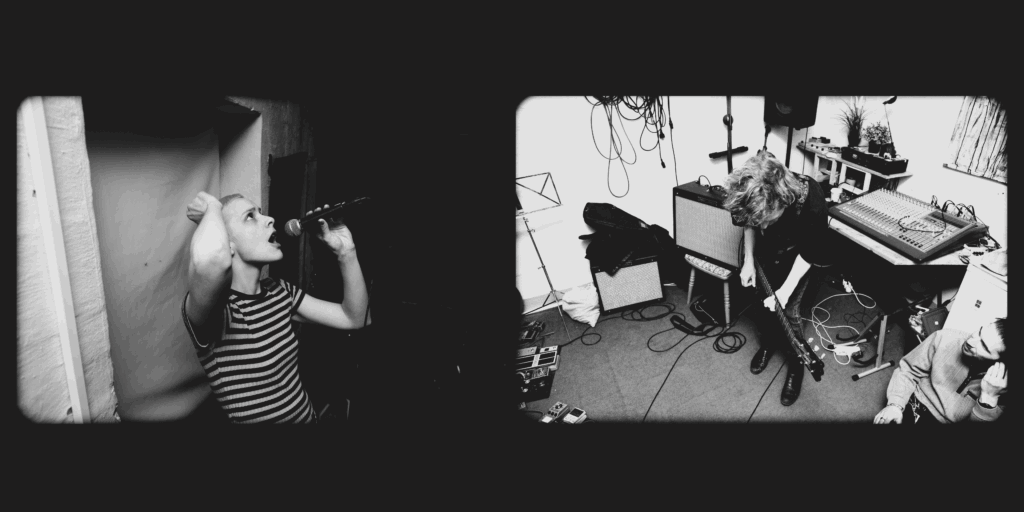
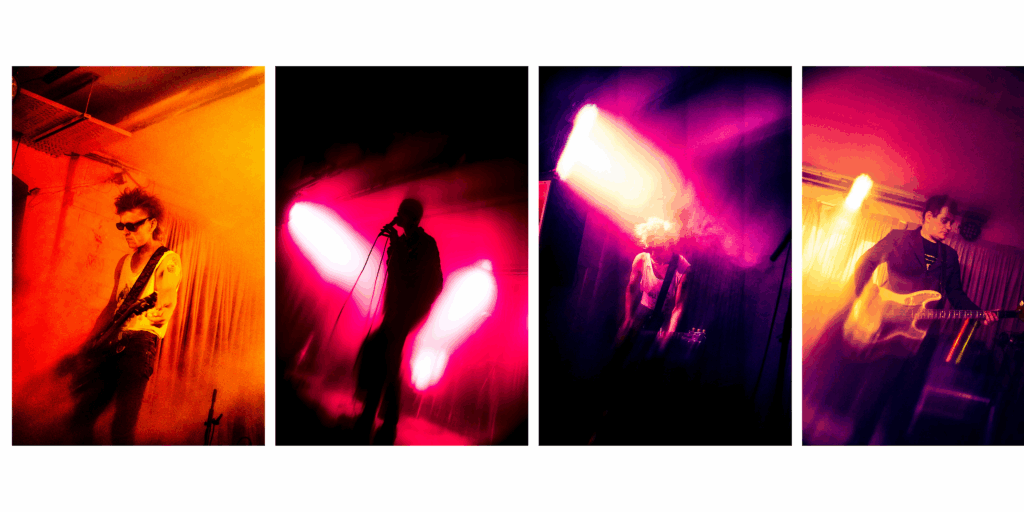
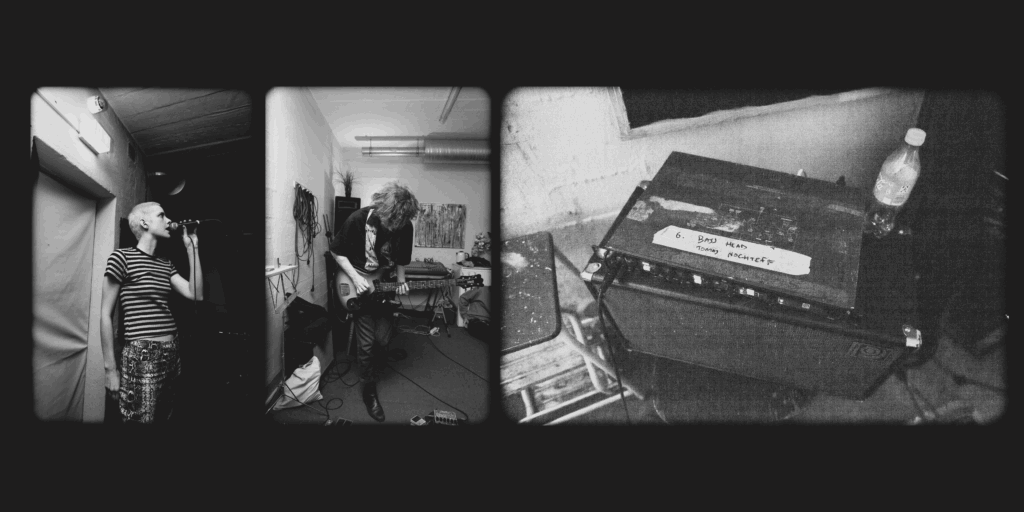
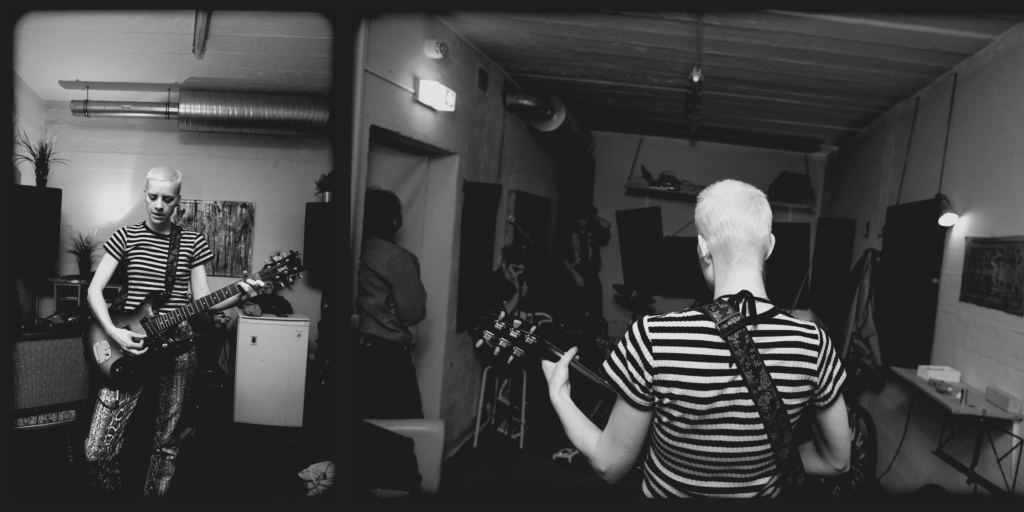
Photos by Laura Martinova @lauramartinova + Nastya Platinova @fastfoodculture & Jojo @mojojo.jojojo @yes_mcr
All Anika Releases
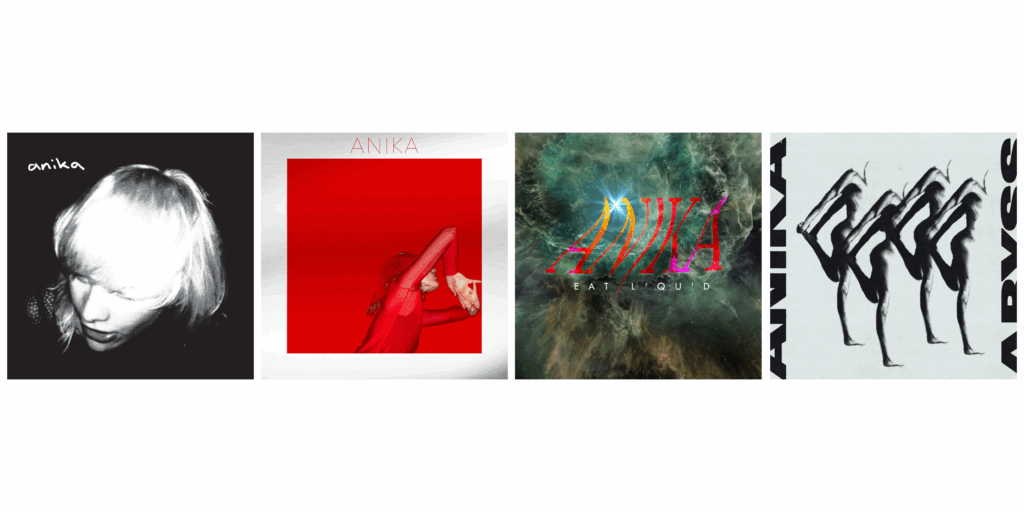
- Abyss
- Eat Liquid
- Change: The Remixes
- Planningtochange (Planningtorock Remix)
- Change
- Anika
- Anika
- No One’s There Ltd Ed. 7″
- Exploded View’s (Feat Anika) Self Titled debut LP
- No One’s There (Digital 3 Track EP)
- No Fly Zone (feat. Nasim Luczaj) – Ni Vash and Anika
All Exploded View Releases
Interview with Anika April 27th 2025
So abyss kicked off already in Berlin, how was that?
ANIKA: Good, that was a big one. It was Easter Sunday, so I wasn’t sure how many people would come out. All the people who didn’t leave town were there so we played to a full house of 770 people. I live in Berlin, that’s why it was there.
I read that the album was done in just over a week. Was there any reason for that?
Anika: Yeah, it was a speedy one. Financial reasons and I have to pay the musicians. I mean, the thing is, I put together the band to play live. I wrote them alone. And then I went to Mexico to finish, with my friend Martin. Just because he lives there and, it’s like my second home. When you live in Berlin in the winter, it’s pretty bad.
What about your roots? For those who don’t know, explain where you were you based?
Anika: I lived in Woking and, for me, it was good because it was like 20 minutes on the train to London. So I went to music shows., I think now that area is a lot more fancy.
You think it’s become more gentrified?
Anika: When I was there, it wasn’t. People in London, they can’t afford it anymore, so they moved out. But where I was, it was quite mixed. Some schools people set on fire. Some schools were private schools. But whatever, it’s kind of a good place to go out because it was beautiful, actually. In some ways, it was a trashy city centre. But there were clubs and I saw a lot of jungle, drum and bass stuff. Then I’d go to London for more band shows.
You released your first music almost 15 years ago. Do you feel that time?
Anika: Now I do. Someone posted about the new album and used a promo photo from 2010. I just felt bad for myself. Like, I wanted to give that younger me a hug. I was only 23. It was a lot. I never wanted to be the one on stage. That wasn’t the goal.
You were more interested in the writing side?
Anika: Definitely. I was actually applying for EU policy jobs in Brussels back then. That was my plan.
Looking back, do you think you miscalculated?
Anika: No, I didn’t go to Oxford or Cambridge. So even if I got a job, I’d probably be filing documents in a store room somewhere, until I had all the lefty beaten out of me and became a Tory. It didn’t seem sustainable.
What do you think has been gained and lost in the last 15 years?
Anika: It’s a different time. But even then, 2008-2009, it was bad economically. That’s sort of how the first album came about. I couldn’t get a job. Eventually, I got one in Cardiff as marketing manager for some venues and a gallery. Then I took over the live booking and organising. But before that, I was on the dole. It was really bleak.
Everyone says touring now is just too expensive.
Anika: Totally. It’s hard just to break even. In the end it’s a business, even though I don’t want it to be one – I have to somehow stay afloat, pay the bills and everyone involved. That’s why I liked working with Geoff Barrow early on. He taught me how to run things right. Always pay people. Maybe not much, whatever you can, but always pay.
That’s kind of like the film industry, too.
Anika: The film industry is full of exploitation too, yes, if that’s what you mean. I try fight against this, do things different, but it’s tough and leaves very little over. I just had my first proper experience in the film industry….
Oh really? In what way?
Anika: I made music for a new film. It’s not officially announced yet, so I shouldn’t say too much. But it’s the new Jim Jarmusch film. I did most of the music. He and I worked on it together—he played guitar, I played guitar and synths.
Are you a fan of his work?
Anika: Yeah, definitely. I’ve known him for a few years now—he releases on Sacred Bones, which is also my US label. Over the years, I’ve been lucky to have a few mentors. Geoff, Gudrun Gut (Malaria!), Shackleton—he taught me a lot. And Jim, too. He’s in his 70s and still doesn’t compromise on his vision. That’s inspiring.
Anika: You know, he’s still a kid in many ways. Even when we were writing the music, it was cool working with him. He was very open to what I was writing and responded to it naturally.
So that was a learning experience for you too?
Anika: I try to learn all the time. Even in Berlin, I try to make things work symbiotically. I still feel like I have imposter syndrome sometimes, like I shouldn’t even be here.
No way, there’s no imposter syndrome with you!
Anika: It’s intense though. A few years ago, I worked on a project with a string ensemble. We still play together occasionally. I remember walking into that rehearsal thinking, “These players are so talented.” They’d say things like, “Let’s go from bar 25,” and I’d panic, not the bar in Berlin, obviously. but, like, I had no idea what bar 25 meant. I only had the lyrics.
Are you classically trained?
Anika: No. But I learned it all by heart, whereas they needed the sheet music. It worked out in the end, and they were really sweet about it.
That contrast must be interesting. Back to what I was asking. Since your first release, what’s changed for the better, and what’s changed for the worse?
Anika: It’s not better or worse—it’s just different. Life’s a journey, and so is music. There’s always been a lot of shit going on. It depends on where you are. Everything is relative. For some people, now is an incredibly difficult time. But it’s always been hard somewhere.
Do you see this new album plugging into that feeling?
Anika: Definitely. There’s a lot of anger in it. I’m reading this book—it talks about breaking free from illusions. That really resonates with my generation. I went to university from 2005 to 2008, right before the crash. There was a sense the system had failed, that we were being led into this fake world. I think we need another kind of rebellion.
Yeah, especially during that time, the student fee protests were huge.
Anika: Right. They brought the fees in just before I started. Tony Blair really messed everything up. The education system got completely broken. Suddenly everything was monetised, even practical degrees like Journalism.
It triggered a lot of expression too, though. People reacting against that pressure from their parents to “make it” the proper way.
Anika: Yeah, there were so many layers to it. I remember people thinking if you went to uni, you’d walk into a £50k job. That was a lie. Honestly, with the student loan, I was probably richer as a student than I’ve been since.
And you had to leave Bristol for Cardiff to get work?
Anika: I was actually studying in Cardiff. Then, after graduating, I went to Indiana for a while to try something in business. But all the internships I’d applied for in 2008 were cancelled because of the recession. So I took the job in the US, came back, and then finally landed a job at the venues I liked. It was always a bit of a hustle, figuring things out as I went.
Do you think we’ve lost that kind of figuring-it-out mentality, especially now with AI?
Anika: Maybe. But for me, there was never an option to go home. I couldn’t. I just had to survive.
You mean go back to England?
Anika: Yeah, or wherever “home” is supposed to be. Some of my friends moved back in with their parents, but that wasn’t possible for me. It really was sink or swim.
That sounds like it shaped your first album.
Anika: It did. That album came out of that recession era. The song “No One’s There” was about that time. It was about this fake demon that everyone blamed for the recession, like a scapegoat. But actually, it was the people at the top messing everything up. It was all built on lies.
So you must have seen echoes of that during Brexit.
Anika: Absolutely. I was living in Berlin during the referendum. I’d left England at 18, moved to Wales, then Berlin. It was strange watching it from afar.
Like watching the country self-destruct?
Anika: Exactly. I remember going back for the vote and being told I wasn’t allowed to—my mum had deregistered me from that address. My granddad told me and my brother, “You’re the ones who have to live with it, so I’ll give you my vote.” That stuck with me.
That’s powerful.
Anika: Yeah. I remember saying on a radio show at the time, “Vote Remain, avoid the apocalypse!” And some people, even pretty high-profile people in the music industry, were tweeting at me like I was crazy. Saying it wasn’t that bad if the UK left, asking, “What do you think is going to happen?”
And then just a few months later—the fallout.
Anika: Yeah, complete chaos.
I was talking to a band who played here last week. They had to fundraise just to be able to tour.
Anika: Yeah, it’s a crisis. For real.
A lot of them are channeling that same existential energy—the difficulty of just existing in today’s world.
Anika: It’s everywhere. I was talking to my step-grandmother once—she worked with Winston Churchill’s team, actually went to the Potsdam Conference and shook Stalin’s hand at 18. She reminded me why the EU was created in the first place—to prevent that kind of destruction from ever happening again. Brexit was like tearing that down.
It was never really about “stealing jobs”, was it?
Anika: No. That’s just bullshit. People bought into that narrative. My grandparents lived through the war—they knew why the EU mattered. But the people voting for Brexit weren’t from that generation. People were sold a fake nostalgia for past ‘better’ times. Like, what do you want to go back to—the colonial era? Wartime? It wasn’t great. It was survival.
Even attitudes. Speaking of Attitudes – with this album, how have you found the reaction so far?
Anika: It’s been good, actually. You know, when you’ve been doing music for 15 years, you never really know who’s going to show up. You kind of hope new generations are finding the music. In France, there were people who said, “I’ve been to five of your shows”—wearing old Anika T-shirts. That’s always nice.
Anika: But I’m also hoping to reach younger people. And thankfully, there were some really young kids at the show too. That’s the goal—for the music to serve a function, not just nostalgia. I want it to have an immediate purpose, not just be a throwback.
Anika: That mix is what’s exciting. A lot of people in electronic music only appeal to the 19-to-26 demographic. Even merch is designed with that group in mind. What I love about bands is that there shouldn’t be an age limit. It should be for everyone.
Anika: Berlin used to be like that. You’d see people of all ages dancing. I remember this woman in her 80s who was always at parties. It was more inclusive. But after COVID, I think people got a bit more guarded about that.
I agree. People retreated into smaller circles. One thing I love about Ireland is how the older and younger generations tend to mix quite well at gigs and pubs.
Anika: That’s really healthy. It stops things from becoming too polarized or isolated.
Yeah, and even in Berlin, I’ve seen that kind of cross-generational energy at punk shows—older fans still showing up. But with everything going on in the industry, it must be hard to stay motivated.
Anika: In a way, yes. But it’s also made me rethink what really matters. The old ways don’t work anymore, and honestly, they never really suited me. People used to try pushing me into marketing strategies, and I hated it.
Anika: Even now with Instagram—I deleted it. I wasn’t posting much, maybe a story here and there. The label would be like, “Do you need help with Instagram? Maybe try more personal content.” And I’d be like, no, there’s a reason I’m not using it.
That’s rare. There’s so much pressure now for artists to be constantly online, engaging and promoting.
Anika: And it’s unpaid labor. Artists are expected to do this extra job for free. I don’t use the word lightly, but it’s like a new form of exploitation—generating profit for tech companies. It’s bullshit.
And everyone’s voluntarily doing it.
Anika: Exactly. In music, if you’re not online promoting your own shows, even the promoters get mad. It’s a monopoly now. Everything funnels through one algorithm, and I want to find ways around that.
Anika: With this tour, I’m just trying to play as many shows as possible. I engage with people when I can, maybe through DMs or after gigs. That’s more meaningful to me.
But the expectations are huge. And some artists don’t want to be “online personalities”.
Anika: Right? I’m not going to message David Lynch and tell him to start a TikTok tomorrow. It’s ridiculous. Rich musicians can hire teams to manage all this. But most of us are doing everything ourselves.
And there’s this pressure to become a brand, a product.
Anika: Yeah, that’s a legacy of things like X Factor. Or even back in the ’60s—it was always, “how can I be the business-savvy musician?” But I just want to make music. For me, it’s about communication, creativity, dancing, whatever—it should have a function.
I remember talking to B.Traits about this years ago. It’s not supposed to be about who shouts the loudest. It shouldn’t come down to money.
Anika: Exactly. But right now, the people with money are the ones getting heard. People got lazy about finding new stuff. It’s coming back a bit now, but when I was younger, I’d just go to shows to see anyone. Now people save everything to see Taylor Swift once, and that’s it.
Do you think fan demands have changed because of this? Seeking a personal connection to the song or artist, with the music or message being lost at times?
Anika: Totally. And that obsession isn’t new—the Beatles had it. But now it’s performative. I don’t want to be part of that.
Anika: I’m trying to find alternative ways to share things. Like, I was thinking of filming a bit on tour—not for Instagram, but to create something with intention. Maybe make a fanzine with a QR code that links to a private server. Just something different.
Do you find yourself respecting artists who resist the system more?
Anika: Definitely. But it’s also hard. The bar is so high now. You’re expected to be politically correct, loud, fully informed—or you get cancelled. I took so much heat this year.
Because you went quiet on Instagram?
Anika: Yeah, after everything—whistleblowing, the platform becoming a propaganda tool—I just didn’t want to be a part of it. I’m very clear about what I stand for. That’s in my music. But the whole thing became like a carnival.
Anika: The narratives were simplified, often misinformed. People were repeating things they didn’t understand. I’ve always been selective about what I say, especially since the Ukraine war and now with the situation in Palestine.
Anika: I’ve tried to give a platform to people directly involved. A Syrian poet friend who has family in Palestine. Israeli friends protesting their government. I want to show it’s not black and white.
Exactly. Would you agree it has become a digital minefield for all involved?
Anika: Yes. But on Instagram, I’d get called antisemitic in one message, then a spineless bitch for not posting more about Free Palestine in the next. Like… how?
You can’t be ALL and both at the same time. That type of pressure is mad.
Anika: Right? My work speaks for itself. Call me spineless from your laptop while I’m performing illegally in Iran, you know? I’ve performed all over the world. I’ve always stood for something.
Anika: I’ve played in Israel twice, both times on the condition I could speak out in mainstream media there—radio, newspapers like Haaretz—about how I oppose the government and its actions. I went over the border, saw it firsthand. Everyone has to make their own decision.
Anika: But this idea that one country or person is “bad” and another is “good”—that’s just not real. Power, greed, systems of control—that’s what we should be fighting. Not people.
Anika: That’s why I was so outspoken against the Israeli government—not because I hate Israelis. That world of binaries doesn’t exist.
That is super courageous to play in those places and still hold your opinion and principles. You are right, it’s not all black and white. Does your family background help?
Anika: Exactly. Growing up half German, half English, I understood early that it wasn’t as simple as the “goodies” and the “baddies”. These histories are messy. And I’ve spent the last year reading. Because I don’t want to just repost some meme on Instagram. I want to be informed.
That makes sense. And it’s kind of what you were saying earlier—back then, you had to figure things out. Now, it can sometimes feel that people aren’t even getting to that point of questioning. Is there a generational problem do you think?
Anika: Yeah. But to be fair, I think some of the younger generation—like 18 to 25—they’re starting to shake things up. They’re getting weird again. They’re experimenting. In music, in fashion. It feels like something’s cracking open, finally.
There’s a whole culture of regurgitation now. I’ve spoken to artists lately who feel like the thinking in general has become less critical. Would you agree?
Anika: Yeah, totally. I think so, too.
Even just the fact that you sit down and read up on topics to form your own opinion—that’s rare. And still, someone will say you’re wrong. It must be hard to have a political opinion these days—there’s so much pressure for artists to pick a side. Does polarization concern you?
Anika: Yeah, exactly. But that’s the thing—it’s not always real. The way people engage is so polarizing. I try to ask: What can I actually do that’s constructive? When I’ve posted over the past year, I’ve always tried to be intentional—careful with the language. I’m generally pro-peace, pro-bridge-building, because the more divided we get, the more easily manipulated we are. And that’s a tool of power.
Divide and rule at play do you think?
Anika: Right. It’s about creating individuals, isolated people who don’t interact or trust each other. And that’s dangerous. I get distracted when I talk about this, but—yeah, as an artist, you’re pushed to have an opinion, and that pressure can feel suffocating.
And it undermines the joy and depth that drew you to music in the first place surely? Did That same pressure push you away from Instagram?
Anika: Yeah. Especially once I realized Instagram was being used deliberately as a tool by right-wing forces and during war. Like when Hamas did what they did last year—they wore body cams. They uploaded it straight to Instagram. That wasn’t an accident. It was planned.We, as users, need to be aware of that. The “fog of war” doesn’t exist anymore. In the past, you only got filtered information—press reports. Now it’s bodycams, drones, livestreams. It’s raw, and it’s manipulated in real-time. It’s a dangerous tool.
Anika: And who controls it? Unregulated tech billionaires. It’s not like traditional journalism, flawed as that can be. It’s way worse. Elon Musk owns X—formerly Twitter—and he’s clearly driven by business and chaos. Dropping little bombs just to stir things up.
And people don’t question it. You as an artist must feel a constant push and pull?
Anika: Exactly. And that’s what’s terrifying. I’d love to be completely off Instagram, but it would shoot me in the foot as an artist. So I’m trying to slowly move away from it. But real power lies with people. If we collectively walked away from these platforms, things would change. But we don’t, because it’s easier to just stay—just like with Spotify.
I’ve seen people around my age slowly pulling away from Spotify. When they signed up in 2010 or 2013, they didn’t think about where the product came from or what it meant.
Anika: Yeah, it’s about convenience. There are benefits—I can see people in India listening to my music, which I might never reach otherwise. But it’s a trade-off.
What do you see as the last safe bastions of media? Are there any outlets you still trust?
Anika: I try to read a range of sources—some in German, some UK-based. But honestly, I’ve distanced myself from a lot of UK news in the last year. It’s so focused on Elon Musk, Donald Trump—every hour. Even outlets like Radio 4. During the German elections, they didn’t mention it at all. Instead, we heard about Trump eating burgers. It’s absurd.
Anika: You start to notice the media’s priorities, the stories they amplify, and the ones they ignore. In my youth, some people weren’t even given a voice. The news would censor them. You probably felt this where you are from?
Creating or finding a platform for the voiceless, for basic human rights, has challenged and continues to challenge my hometown of Belfast.
Anika: Exactly. And now it’s the opposite—everyone gets a mic, no matter how toxic or inflammatory. As long as they have status or money, they get amplified.
And that gives them power. Even or especially if their views are extreme.
Anika: Yeah, it normalizes them. The more airtime they get, the more familiar and less threatening they seem. Even if people disagree with their policies, they still end up voting for them. It’s part of the game.
It’s backwards. It must feel like the opposite of everything you learned about media and writing?
Anika: Definitely. We were taught to check sources, confirm details. But in the last decade, even institutions like the BBC have slipped. Partly due to funding cuts, sure, but also political interference. The Conservatives tried to dismantle it.
Anika: There’ve been real errors—stories run using misleading or unrelated footage. Archive clips misrepresented as current. It’s dangerous.
Overstretched journalists, under pressure, recycled reporting and the monetisation of it all.
Anika: Exactly. The source often ends up being another outlet. Copy-paste journalism. And that’s not good for democracy. That’s why I still subscribe to a few independent platforms—even if I don’t read every article. It’s like an invisible tax. Supporting journalism is part of supporting truth.
Do you think people aren’t interested in truth anymore, given the social media tilt of it? The post truth days we live in and all that.
Anika: They don’t want to pay for it. They just want free news online. My mum sometimes sends me a YouTube link to some documentary, and I’m like—who made this?
I feel like we’ve become media gatekeepers for our own parents. I pick up my mum’s phone and she’s on Facebook scrolling through mad sources from people she doesn’t follow or support. It just appears and I’m saying— “nope mum, just nope get away from it!”
Anika: Right? My mum has opinions on American politics from some German guy on YouTube. It’s like, where are you getting this from?
I’ve seen it in my wider family too, with Ukrainians in Ireland being a hot topic for some but irrelevant in my eyes. I had to explain: We used to be them. We were asylum seekers. Our diaspora. It could be us again. It could be any nationality of people, given the state of things. How much has Berlin changed since you were first there?
Anika: I feel that in Berlin too. It’s changed a lot. When I first got there, there weren’t many jobs, not much industry. I was one of the few people working—bartending, cafés, whatever—to support my music.
Anika: Then tech arrived. I worked for a tech company in 2014, writing copy. One day they told me I’d be working on a magazine project for months. The next day—laid off with no notice.
Anika: I was shocked. They said, “Well, you’re on a zero-hours contract.” I didn’t even know what that meant. That was my first taste of how the tech world operates.
Built on precarity and gains. Have you seen this internationally while touring?
Anika: Exactly. The whole model’s based on exploitation. They move into cities like Lisbon, Berlin—get tax breaks, create parallel economies, raise rent. It happened in San Francisco. It’s happening now in Berlin. Public transport is falling apart, full of people using drugs, rough sleepers—it’s collapsing.
Dublin’s no different. Does Musk enter into this issue for you?
Anika: Yeah, exactly. And then Musk builds a Tesla factory just outside Berlin, in Brandenburg. He didn’t pay the water bill for two years—during a drought. Just didn’t care. That’s what power looks like.
Like, “I can do what I want.” mentality. Do you think there is a complex with him?
Anika: These are red flags. This guy is dangerous. He’s messing with governments. He built the factory just outside Berlin for a reason. I honestly think he wants to be some kind of historical figure—he’s got a megalomania complex.
I’ve read about his grandfather and father, and they weren’t much more chill.
Anika: Yeah. He’s clearly unstable. And the way he treated Grimes? It’s absurd. She’s incredibly smart—I feel bad for her.
Especially with the child involved. Do you believe he cares at all about sustainability?
Anika: Apparently Grimes was recording an album, and [Elon Musk] walked in with a gun, pointed it at the engineer’s head, and said, “You’re going to let me do a cameo now.” Like, what? The guy is a total nutcase. And yet, governments still make deals with him.
Anika: He was clever, though. He predicted sales and tapped into the green policy shift early on. He created a demand for Tesla that governments would have to buy into. It was a power move—nothing to do with sustainability. And that’s just one of his many side businesses.
Anika: That’s what “One Way Ticket” is partly about. Let’s see if I get a visa for the U.S. after talking about this. But seriously, my intention is to get in, do what I need to do, and leave. It’s weird how quickly people trust these billionaires, hand over public money. And of course, there’s stuff happening under the table too. It’s a strange time.
So Berlin is heading in that direction too?
Anika: Yeah. Around Berlin, people have started getting arrested at protests. Especially near the Polish border. That part of Germany—Brandenburg—is historically more fragmented. It was part of East Germany and has a lot of its own history, including a fear of invasion.
Anika: And to be honest, the far-right’s been grooming the area for a couple of years. I remember going through Brandenburg and seeing far-right booths at the train stations. It wasn’t random. It was strategic.
Sounds like what the Reform Party—or UKIP—did in the UK. Rallies in Wetherspoons, targeting working-class clubs in towns like Warrington, Hull, Leeds, Doncaster. It’s all about knowing where the discontent is.
Anika: Exactly. The mainstream parties lost touch with their base. And these businessmen, like Trump or Musk, know how to market themselves. That’s what they’re good at—knowing the market. It’s all performance. They sell themselves like a product and convince people they care.
Anika: I mean, it’s twisted, but they’re effective. Meanwhile, other politicians don’t even know who they’re talking to anymore.
And there’s a huge wealth gap now. People are feeling abandoned, unheard.
Anika: Yeah. People are poor, angry, and desperate. I don’t think everyone who votes right-wing is stupid—I think many are just desperate and feel ignored. And that’s how fascism grows. Same thing happened historically: financial crisis, social collapse, then a populist comes along and offers “solutions”—sports camps for the youth, rebuilding programs. It looks innocent at first.
And suddenly, it’s too late.
They say a core rule of business is “know your market”, are you unfortunately forced to think of your audience as business these days especially with overload of numbers, streams, attendees, sales etc?
Anika: I don’t really see my music as a business. I have to run it in a business-like way so I can afford to keep doing it. But I’m not in this to make profit. I just want to break even so I can continue.
And in terms of audience—you’re not trying to reach a certain type of person?
Anika: No. I don’t target anyone. I’m not calculating about it like a marketer would be. That’s how universities started operating, too—like businesses. It ruins the purpose. Same with music. Music isn’t about profit margins.
Anika: Of course, I try to run things efficiently, pay everyone fairly, make the tour work—but I don’t think about market segmentation. I just hope the music resonates. That it serves people.
So you’d rather people find you as opposed to you looking for them?
Anika: Sort of. Touring is my way of bringing music to people. I’m not hunting for demographics. “Change” was written when I was trying to make sense of a lot of stuff. I hope that writing about it helps others navigate those feelings too. Everyone’s journey is personal. I have friends who make party music, and that’s valid too. It gives people an escape. But for me, this is about trying to understand things.
Do you think a different kind of crowd has started listening to your work lately? Maybe people who feel more connected to the reality of what we have spoke about?
Anika: Honestly, I’m always surprised anyone listens to me. With Exploded View, it ended up getting this cult following—and that was totally unintentional. I had actually moved to Mexico to quit music. The Berlin scene had worn me out.
Anika: I kept trying to build a band, but it was all marketing people and side hustles. Everyone treated rehearsal like a networking session. They’d show up pitching demos, asking for contacts, trying to turn it into a transaction.
Like they saw you as a vehicle to something?
Anika: Exactly. It wasn’t about the music anymore. I ended up working with a film student in Berlin—we wanted to make an experimental film. Then he had to go back to Mexico and invited me along.
Anika: I said, “How am I supposed to afford that?” He said he knew some promoters and could set up shows that would pay for the flight. So I went. But I didn’t have a band, so I asked him if he knew anyone. He introduced me to a few musicians, and we pulled a band together.
Anika: That’s how Exploded View happened—just jamming on a tape machine. It was all unplanned. I tried to quit music and accidentally made a new project.
Do you think you’ll ever actually be able to quit given your love for it? I guess the toll of touring & financial concern vs. the relief or joy the creativity brings is a difficult trade-off.
Anika: I still want to quit. After this tour, I don’t know. It’s my second one this year, and I don’t think I can keep going. Touring is too expensive. I’m losing money every time.
How much are we talking?
Anika: If I’d brought my Berlin band to the U.S., I would’ve lost $35,000. I can’t afford that. Travel, van hire, hotels, visas—it all adds up. Just the U.S. visa alone is nearly $10,000. And that’s before anything else.
Meanwhile, some DJs and artists at the top of the chain are getting €100,000++++ for an hour-long set.
Anika: It’s absurd. So many musicians are struggling. I’ve had to tour solo or as a duo just to make it viable. It allows me to reinvest into the project and play in places where I couldn’t bring a full band.
Anika: South America, for example—I went as a duo. And people would say, “You should play with a full band!” Like, yeah, I’d love to—but who’s paying for it?
Anika: That’s actually why I wrote “Out of the Shadows”. After gigs, people come up and give me advice like, “You should sing in German” or “You should sound more like Nico”. Someone literally said that to me recently.
Let me guess, they told you your next album should be in German?
Anika: Basically. He even said I wasn’t in “very good shape” and that I should smile more. It’s constant. And then he wanted to buy a CD, but I only had vinyl. He said, “I don’t buy online.” I was like, okay…. (laughing) what do you want me to do?
Anika: He waited ages to talk to me, and I think that was just his weird way of giving a compliment. It’s bizarre sometimes, but maybe that’s how some people show appreciation.
That’s a very diplomatic and selfless way to view it, I have so many more questions, but I think I’ve taken up enough of your time.
Anika: No worries—I just hope I didn’t ramble too much. And please don’t misquote me.
Of course. I won’t clip it into clickbait or anything.
Anika: Please don’t (laughing).
One last thing—“Walk Away” felt more personal on my first listen. Was that intentional?
Anika: Yeah, it’s personal, but also universal. I wanted to write something honest. Social media’s all about appearing perfect, while the far right is proudly vile. There’s no space for vulnerability—especially on the left. “Walk Away” is about not engaging with toxicity. Just leaving it behind.
So it’s also about walking away from criticism, abuse, the negativity, the games that are being played, all of it?
Anika: Yeah. Even online. When I got abusive DMs, I started replying calmly: “I hear you’re upset, but I’m not your enemy.” And often, it wasn’t even about me—it was just frustration. People feel powerless, like they can’t change anything. That frustration comes out sideways.
And your music isn’t about left or right—it’s about pain. About people.
Anika: Exactly. It’s about what connects us—not what divides us.
Thank you so much for your time.
Support Anika
- Buy Anika Merch via her website.
- Get the latest Anika news such as tours, projects and more.
- We encourage you to join the Anika Newsletter.