From Folk Roots to Experimental Pop: Exploring Sonic Landscapes, Collaboration, and the Art of Balance7
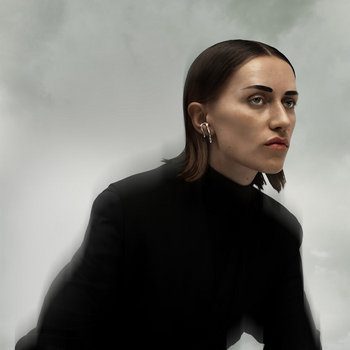
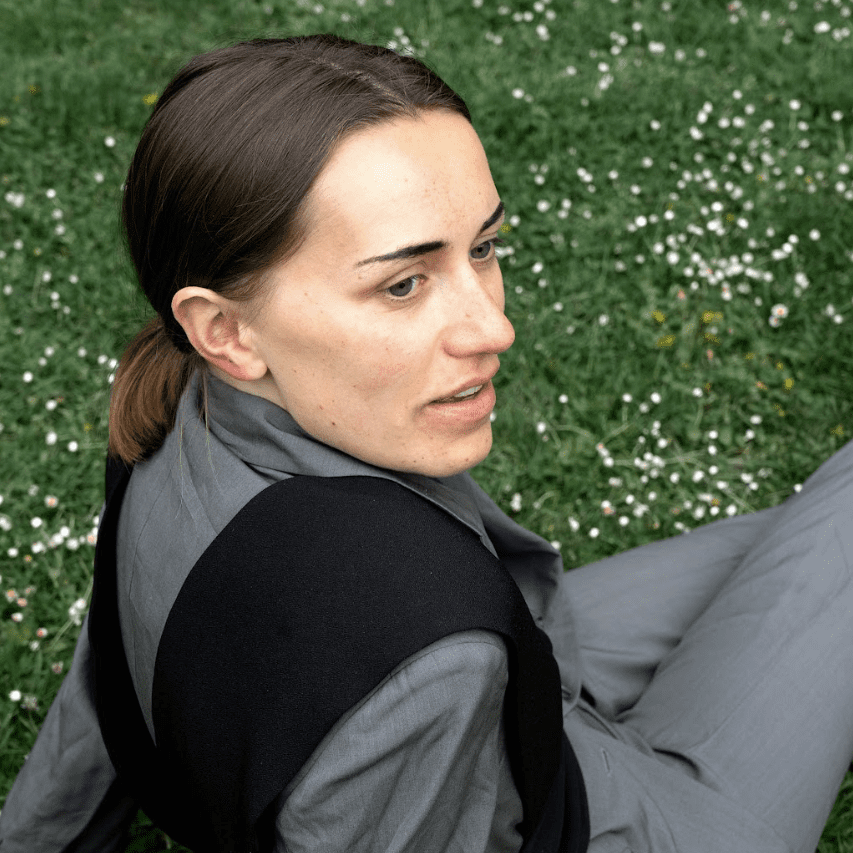
In this interview, experimental pop artist Liza Dries takes us through her sonic evolution—from her early days in the folk-pop duo The New Poor to the deeply textured, genre-defying world of her solo electronic work. Now based in Berlin, Liza shares how moving between cities, navigating the DIY music scene, and collaborating with like-minded artists has shaped her creative outlook.
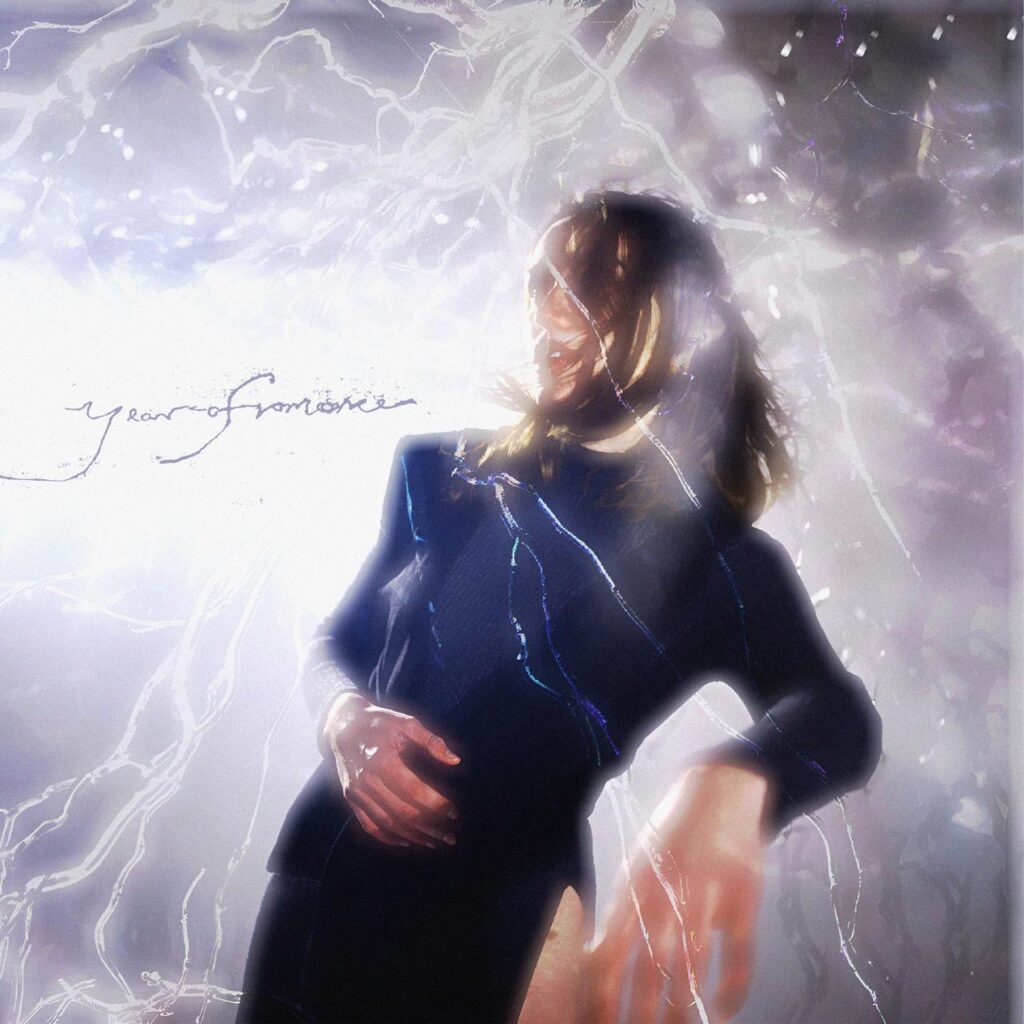
Blending ethereal pop, hyperpop, and sound design rooted in emotional storytelling, her music is both deeply personal and playfully abstract. We explore her production process, the emotional backbone of her latest release Year of Romance, and how she balances artistic life with the practical challenges of being an independent musician in a rapidly shifting industry.
You started in music with the folk-pop duo The New Poor. Did that early experience shape your approach to your current solo electronic/experimental pop project?
Definitely. My solo project and the songs that came out of it have evolved dynamically over the years. I started out in the folk scene in Groningen, and that background gave me a strong songwriting foundation. I never initially planned on becoming a solo artist—I just wanted to learn guitar and began writing Dutch songs in a singer-songwriter style.
After moving to Cologne, COVID hit, and my partner at the time and I started experimenting with Ableton, recording those Dutch songs. Gradually, my project shifted toward English, which became my most-used language at the time. As I got deeper into production, my focus moved from lyrics to sound. Producing opened Pandora’s box—I started finding sonic textures that really resonated with me, and that started shaping how I wrote music.
Your latest release blends experimental textures, ethereal pop, and hyperpop influences. How do you juggle different genres, and what draws you to these sounds?
There’s a foundation in contemporary computer music I shared with friends in Cologne—especially during my time with Safe Space Records, which was inspired by PC Music and self-producing pop artists. I’ve always loved music with a pop element, but I don’t think in genres when I’m making music.
It’s more about intuition. I experiment a lot—maybe it’s a fat 808, doubling drum speed, or playing with voice memos I find on my phone and warping them with flangers or OTT effects. I’m drawn to atmospheric, playful sounds, and the structure of my songs often comes together accidentally.
I usually visualize the song. For instance:
- Solaris felt like a romantic, sci-fi sunset.
- Heavy Birds felt like a chaotic blend of a big city and a jungle.
- Happy Too felt like skateboarding over a turquoise bridge in Cologne.
How do you decide whether to write a song in Dutch or English? Does language affect the mood of the music?
It mostly depends on my daily environment. Since moving to Cologne and now living in Berlin, I speak mostly English—so naturally, I write in English. That said, I’d love to mix things up more or even remove lyrics altogether.
Sometimes words feel limiting. Sound can create moods, imagery, or even a sense of place that transcends reality, and lyrics can box that in. So lately, I’ve been drawn to letting the sound speak first.
“Year of Romance” explores tension in nuanced ways. What inspired this album emotionally and personally?
Tension is a great fuel for songwriting. The album became a time capsule—each song represents a feeling or moment from a specific period.
Spring 2023 was impulsive and childlike for me. Coming out of a long winter and COVID, I went to LA to visit friends and work on music with Frederik. That turned into a surreal, movie-like adventure. I made new friends, got socially exhausted, and then lost my job—leading to major financial instability and uncertainty around my health insurance in Germany.
It was a rollercoaster year, and making music was my way of processing all of that.
Can you walk us through your production process? How do you build rich, layered soundscapes while keeping everything cohesive? Any favorite gear from your latest work?
I’ve mostly been working in-the-box with Ableton—no major hardware, just my voice and the computer. Vocals are central to my process. I love transforming my voice: layering, chopping, pitching up and down, speeding up, slowing down.
For example, Babybloom is made up of about 10 vocal layers. I try to make my voice sound like an alien or a bird—something playful and abstract. It creates cohesion because, no matter how manipulated, it’s still my voice.
I see the computer as a collaborator. There’s a call-and-response relationship where I feed in an idea, and it gives something back. Not everything is intentional—and that’s part of the magic.
You’re also part of the duo Eternal Miaw with Frederik Bruun. How does collaboration differ from your solo work? What does Miaw offer creatively?
I love working with Frederik. Collaboration brings new energy. He comes from a rock, ambient, and experimental background, and when we merge our worlds, Miaw becomes this gritty, cute, electronic-pop-rock fusion.
We push each other beyond our comfort zones. Fred is the kind of person who always says “yes” to trying something—even if we ditch it later. It keeps the process fun and exploratory.
Tell us more about Miaw‘s debut record.
Our debut EP My Petswan came out in November on Petrola 80. It’s a mix of shoegaze, club-pop, UK bass—very atmospheric yet dancy and raw.
We made most of it between my room in Cologne and LA, where Fred was living for a while. I ended up visiting him after subletting my own room by accident.
The record came from an intuitive emotional space. We both produce, so we’d switch between the computer, instruments, vocals, and coffee breaks. Petswan took six months and 40 versions to finish (“Petswan1404_LizEdit_FredWillRuinIt.als”), while hello hello was made in a single day—just before Fred moved back to Copenhagen and I returned to Groningen.
You previously worked as a full-stack developer. Do your coding skills influence your music, or vice versa? And what’s your take on the challenges young artists face today?
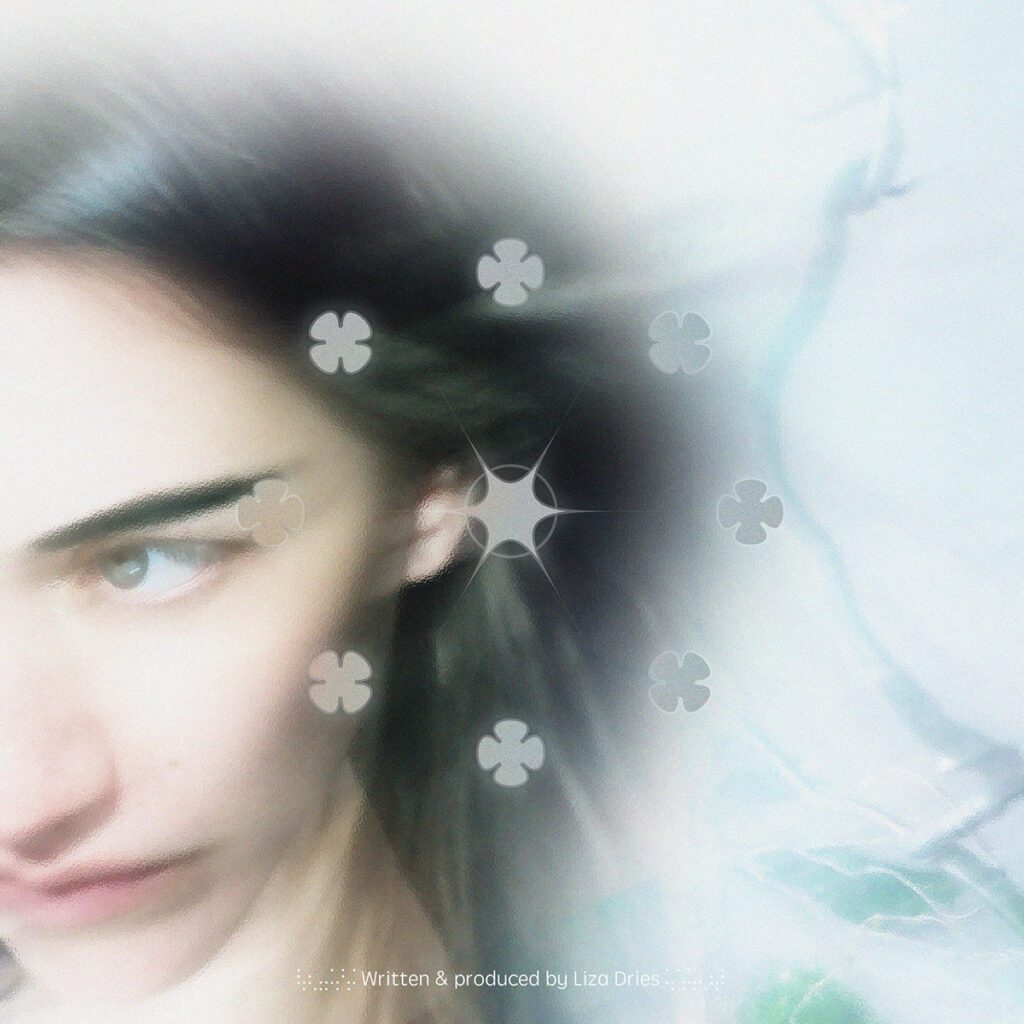
I actually stopped pursuing development professionally. It was too mentally taxing, especially since I already spend so much time on the computer for music and visuals.
But having a tech background helped me dive into music production without fear. Programs don’t intimidate me, and I know how to find what I need online. Music has its own form of logic too—there’s a puzzle-like quality to it.
Sometimes I’d get stuck on code, sleep on it, and wake up with the solution. Music can be the same: you sleep, and suddenly the next day you have the melody or transition you needed.
As for the artist struggle—balancing freelance jobs and music is tough. I’ve pieced together income through production jobs, workshops, film scoring, and more. Being self-employed gives me flexibility, but it’s exhausting. Your ears have a limit!
You moved from Groningen to Cologne and now Berlin. How has Germany shaped your creative journey compared to the Netherlands?
Germany has had a huge impact. Despite being neighboring countries, the cultural differences are big.
Cologne especially felt like a place where you’re allowed to dream. The music scene was very open—especially to pop and experimental work. People inspired and challenged each other. Compared to the Netherlands, I found less pressure around the business side of things. Dutch artists tend to be great at marketing and planning, but also more focused on it, sometimes at the expense of experimentation.
Having performed at festivals like ESNS, how do you bring your music to life on stage?
Performing electronic music live is an ongoing experiment for me. The key is connection—I want to feel present with the audience.
That’s why I focus on one thing at a time. When I’m singing, I avoid tweaking electronics, and vice versa. I’ve made live edits of all my tracks with transitions, loops, and effects to keep things playful. I like stripped-down moments too—acapella parts, or just bass and drums. It helps define what’s coming from me vs. the backing track.
At its core, a live show is about being in a room with people, sharing a moment through sound.
Looking back from The New Poor to now, what’s been your biggest challenge—and what keeps you going?
Finding balance is the hardest part—between songwriting, admin, visuals, bookings, finances… I run everything myself. It’s empowering but overwhelming.
There’s always a million directions you could go, and you have to keep returning to your core motivation. For me, that’s the joy of making a song. Even on the worst day, I can pick up a guitar or open an Ableton session, and something shifts. Music makes the bad disappear.
Tough one—but how do you see your solo music evolving in the next five years?
I want to experiment more—there’s always a fresh start after finishing a project. I’m excited to dive deeper into the interplay between songwriting and computer-led sound design. I want to question my own creative habits and push past what I’ve already done.
I’m especially curious about the tension between songs and soundscapes—where one ends and the other begins.
Any upcoming projects or news you’d like to share?
Yes! I’m releasing a collaborative EP with Mathilde Nobel in June. We recorded it in a former monastery in France in 2023 (PAF, St. Ermes). It’s darker than my usual work, and more pop-leaning than Mathilde’s—it really blends our styles. The monastery had this paranormal vibe, which definitely seeped into the music and visuals.
I’m also working on new material for both Miaw and my solo project. We’re exploring a new live setup with Miaw, which is really exciting, and I’m looking forward to playing many shows this year.