This brief article covers some friendly sustainability stats when it comes to fast fashion, we feature a sustainable brand called Pangaia and explore some science behind the change.
The brand is a collective of scientists, designers, and technologists using material science to rethink how fashion works. Every hoodie, tee, or tailored pant is built with purpose—to solve real environmental problems, not just dress well.
From pollution-trapping inks to seaweed-based fabrics, their tech is quietly reshaping the fashion industry. Not around trends. Around impact.
Right now, a wide selection is up to 60% off, so if you are seeking sustainable tracksuits, casual wear or eco-friendly fashion, check them out.
Table of Contents
The fashion industry is in environmental freefall. It’s responsible for up to 10% of global carbon emissions and is one of the biggest polluters of water systems worldwide. Each year, millions of garments are overproduced—many of which are poor quality, unsold, or discarded after only a few wears.
Around 85% of textiles end up in landfills, and second-hand markets, like those on Vinted and Depop, can’t keep pace with the constant churn of fast fashion.
Microplastics from synthetic fabrics are flooding oceans. Maple deforestation for streetwear trends and overproduction for short-lived Y2K, 1990s, and 2000s looks only add to the damage.
Meanwhile, many of these waste products are dumped in the Global South, where they pollute communities with limited waste infrastructure. The fashion system is broken—fast fashion and overconsumption have turned seasonal style and even everyday basics into environmental threats.
Clothing That Solves Problems
Each material they use tackles a specific issue waste, water use, emissions, deforestation. It’s design with a mission.
Natural Fibers, Less Damage
- PLNTFIBER™ & FRUTFIBER™: Made from banana leaves, pineapple waste, bamboo. Low input, high output.
- C-FIBER™: Seaweed, eucalyptus pulp, and organic cotton. Soft, breathable, good for the planet.
- PANhemp™ & PANETTLE™: Rain-fed hemp and wild nettle denim. Less thirsty than cotton. Built to last.
Recycled. Regenerated. Reused.
- INFINNA™: A premium fiber spun from old clothes.
- Recycled wool and cashmere: Giving waste a second life.
- AIR INK®: Black ink made from actual air pollution. Used in graphics and labels.
Better Dyes, Better Leather, Smarter Function
Their dyeing methods ditch the toxic waste. Think dyes made from food waste. Or Colorifix, a bacteria-grown pigment that needs no heavy chemicals.
Their leathers? Not leather.
- Mirum is plant-based and plastic-free.
- Grape leather is made from wine industry waste.
Even functionality is sustainable.
- miDori® bioWick keeps you cool using algae.
- PPRMNT™ neutralizes odor with natural peppermint oil.
Where the Sci-Fi Starts: PANGAIA LAB

PANGAIA LAB is the brand’s R&D playground. It’s where wild ideas like lab-grown spider silk (BREWED PROTEIN™) and CO₂-captured sunglasses (CO2Made®) go from science experiment to streetwear.
And it’s open. LAB is also a platform for outside inventors, startups, and material pioneers. It’s a space built for collaboration. For anyone building the next solution.
Learn more about the Pangaia Lab.
Backed by Science. Certified by Impact.
They’re B Corp certified. Transparent about their supply chain. Focused on three pillars:
- Climate Action
- Water Health
- Biodiversity
Their NATIVA™ merino wool, for example, is 100% traceable. Farm to fiber. All ethical.
They’re also moving toward regenerative farming, training suppliers on soil health, and pushing systems that give more than they take.
Sustainable Tracksuits with Organic Cotton
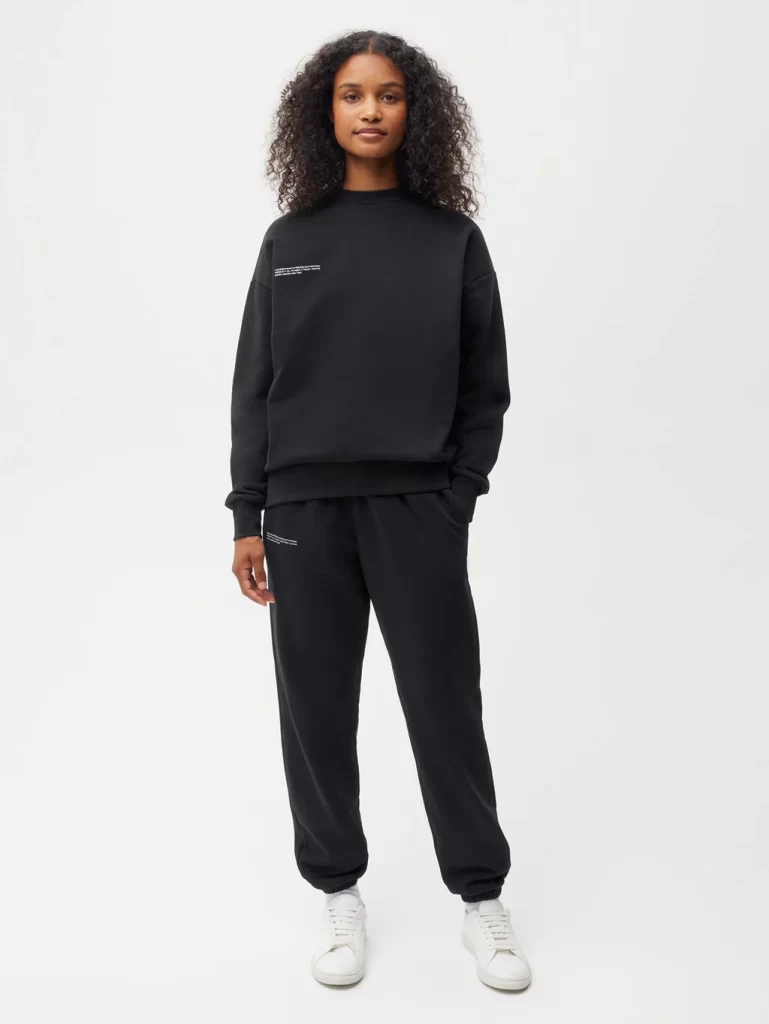
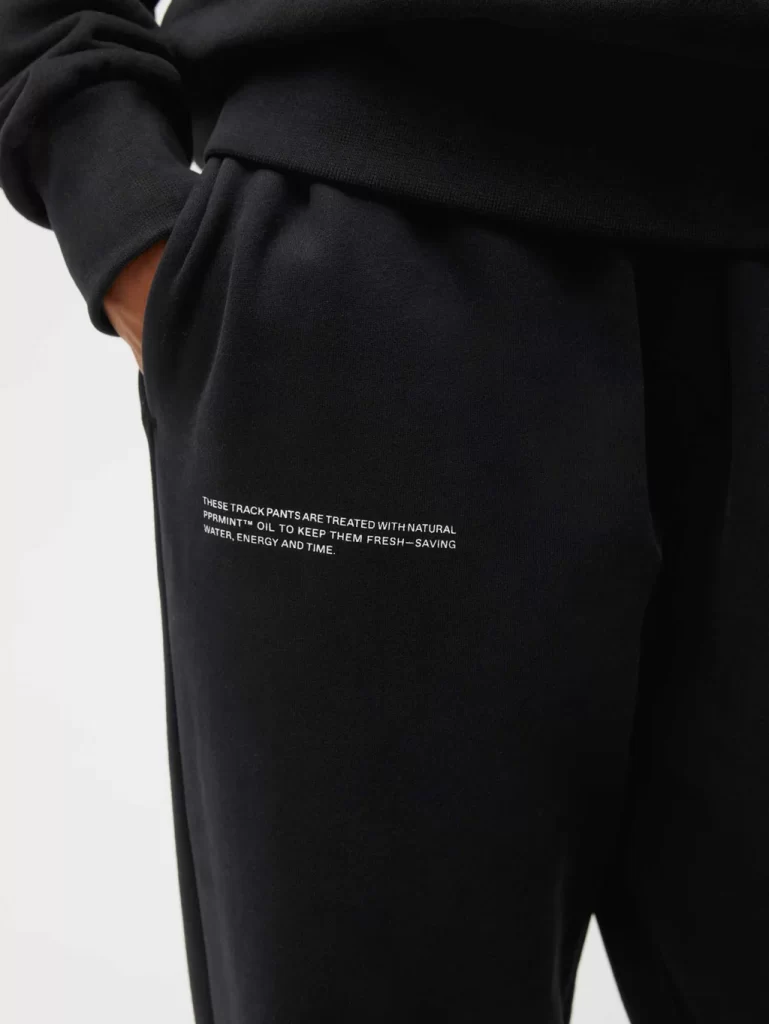
For everyday ease. Expertly crafted from 320 GSM organic cotton, the 365 Midweight Track Pants in black offer a loose fit and a lightweight feel. Designed to be worn year-round, this seasonless staple was treated with PPRMINT™ oil to help keep it fresher for longer.
Material: 100% 320 GSM organic cotton
Fit: Oversized fit and a boxy silhouette
Feel: Lightweight and breathable
Designed for: Year-round wear
Details: Side pockets, adjustable drawstring waistband, cuffed ankle opening
Made in: Portugal
What You’ll Find in the PANGAIA Collection
PANGAIA’s womenswear line is built for everyday wear but rooted in innovation. Think updated basics: soft hoodies, clean-cut track pants, breathable T-shirts, and lightweight linen shirts—staples you can throw on daily without thinking twice. The collection includes easy dresses, layered knitwear, and versatile outerwear perfect for shifting seasons. Whether you’re building a minimalist outfit or adding to your off-duty rotation, the vibe sits somewhere between functional street fashion and 2000s style. The PANGAIA Tracksuit and gaia PLNT Nylon collections tap into that sporty-meets-technical look—effortless, comfortable, but still styled.
The men’s side mirrors that versatility. Oversized sweatshirts, essential tees, loose shorts, and practical outerwear nod to the Y2K and late 1990s streetwear aesthetic that’s been trending again on platforms like Vinted and Depop. If you’re going for a throwback 2000s look or just want core pieces to wear on repeat, PANGAIA’s mix of track pants, knitwear, and structured jackets has you covered. Everything is designed for daily wear but built with premium, low-impact materials—so it feels good and does better. From windbreakers to lounge sets, it’s a full kit for a transitional wardrobe.
PANGAIA also organizes its range into capsules that help simplify shopping. DNA, 365 Midweight, 365 Heavyweight, and Linen collections offer different fabric weights and structures depending on the season or the look you’re after. These capsules are great for creating modular outfits—just swap in new shades or layers as the weather shifts. If your style leans toward slow fashion, or you’re building a core wardrobe to rotate year-round, this structure makes it easy to shop with intention.
There’s also a wide colour palette across both men’s and women’s lines. Core tones like black, white, and grey anchor the collection, but pops of yellow, purple, red, green, and pink add energy to simple outfits. Whether you’re pairing a bright tee with loose trousers or layering soft neutrals, the clothes are made to be worn—often, and across seasons. With frequent drops, new arrivals, and up to 60% off select styles, PANGAIA is a clean, modern alternative to fast fashion without losing the ease of everyday dressing.
Sale’s On. But Not for Long.
PANGAIA rarely discounts. Right now, linen shirts, bio-based denim, and wardrobe staples are up to 60% off. The stock won’t last. Neither will the sale.
The fashion industry’s shift in materials
The fashion industry is slowly waking up to the damage caused by traditional fabrics. Cotton grown with pesticides, virgin polyester made from fossil fuels, and leather tanned with toxic chemicals all contribute to emissions, water waste, and pollution. But things are changing. Brands are now adopting next generation materials that reduce impact from the start.
We’re seeing a rise in organic cotton, hemp, linen, and bamboo—natural fabrics that use fewer resources and biodegrade more easily. Innovations like TENCEL Lyocell, made from sustainably harvested wood pulp, and recycled polyester rPET help reduce textile waste. Others are going even further, introducing bio based leathers made from pineapple leaves Piñatex or grape waste, and textiles developed from agricultural byproducts, fungi, and even algae.
These materials are more than alternatives—they’re a necessary evolution. According to industry research, next generation fabrics could account for 8 percent of the global fibre market by 2030, offering major emissions savings. As pressure builds to clean up fashion’s footprint, material innovation is becoming non negotiable. Expect to see more brands investing in textile circularity, regenerative agriculture, and closed loop production systems.
Shoppers, especially those familiar with resale platforms like Depop and Vinted, are already demanding better. Whether you’re buying into streetwear, Y2K inspired looks, or building a wardrobe of daily basics, the fabrics we wear matter more than ever. The shift is happening, fabric first.
Discover new sustainable brands for the latest eco-friendly fashion.